
A Brief History of Cantillon

In light of the fact the we at the Belgian Beer Cafe Melbourne will have the honour this year of hosting the Cantillon Zwanze Day in late April, we thought it opportune to provide a potted history of both Cantillon and Zwanze Day itself; to follow in a subsequent post.
Brasserie Cantillon, often simply called Cantillon, is an historic family-owned brewery in Anderlecht, Brussels, Belgium, renowned for its traditional lambic beers produced through spontaneous fermentation—a method that relies on wild yeasts in the air rather than cultivated ones. Founded in 1900 by Paul Cantillon—a brewer’s son—and his wife Marie Troch, the operation began not as a full brewery but as a gueuze blending house in the industrial Cureghem quarter, sourcing young lambic from other producers to mature and blend into gueuze, kriek, and other fruited variants. At the time, Brussels boasted over 100 breweries, many specialising in lambics, but Cantillon’s focus on authenticity set it apart amid the city’s thriving beer scene.
The brewery didn’t start producing its own lambic until 1938, when it installed brewing equipment, including copper kettles and a large coolship on the attic for wort exposure to the wild yeasts of the Zenne Valley. This traditional setup, much of which remains in use today, reflects the brewery’s commitment to methods over a century old.
Post-World War II, the business faced challenges as consumer tastes shifted toward sweeter, mass-produced beers, leading to the closure of many lambic producers. Paul’s sons, Robert and Marcel, joined in 1937, but after the war, Robert sold his share, and Marcel considered exiting too.
The turning point came in the 1960s when Marcel’s daughter Claude married Jean-Pierre Van Roy, a teacher and beer enthusiast who took over operations in 1969. Van Roy revived the focus on pure, unsweetened lambics, resisting trends toward artificial sweeteners that diluted the style’s tart, funky character. By the 1970s, with lambic nearly extinct—only a handful of Brussels breweries remained—Van Roy opened the Brussels Gueuze Museum in 1978 within the brewery to preserve and educate about the heritage, turning it into a living museum where visitors could witness the process. This move not only saved the business financially but also sparked a global revival of interest in traditional lambics. An interior glimpse of the museum-brewery captures its timeless atmosphere nicely.

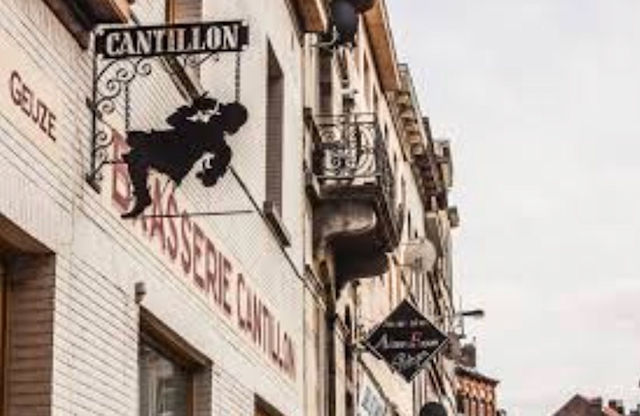
In 1986, Jean-Pierre’s son Jean Van Roy joined, eventually becoming brewmaster and owner in the early 2000s, continuing the family legacy into the fourth generation. Today, Cantillon is the last traditional lambic brewery in Brussels, producing about 2,500 hectoliters annually using organic grains, aged hops, and barrels for long fermentation—up to three years. Its beers, like Gueuze, Kriek, and experimental Zwanze releases, are highly sought-after worldwide for their complex, sour profiles, with the brewery emphasising sustainability and tradition amid growing demand. The exterior of this iconic site remains much the same as it has for over a century.


Comments